If you’ve taken your first stroll around the pond after winter and noticed your koi moving slowly, or barely moving at all, you’re not alone. Many pond owners worry that something is wrong when their fish seem sluggish in early spring. In most cases, however, this behavior is completely normal. As ponds transition from winter to spring, koi are simply adjusting to changing water temperatures and waking up from months of dormancy.
Cold Water Means a Slow Metabolism
Koi are cold-blooded animals, which means their body temperature and activity level are directly tied to the temperature of the water around them. During winter, their metabolism slows dramatically. Instead of swimming actively and eating regularly, koi enter a state similar to hibernation, conserving energy while resting near the bottom of the pond where the water is slightly warmer.
When spring arrives and the ice melts, the water may still be quite cold—even if the air feels warm and sunny. Because of this, koi often move slowly and deliberately as their metabolism gradually begins to increase.
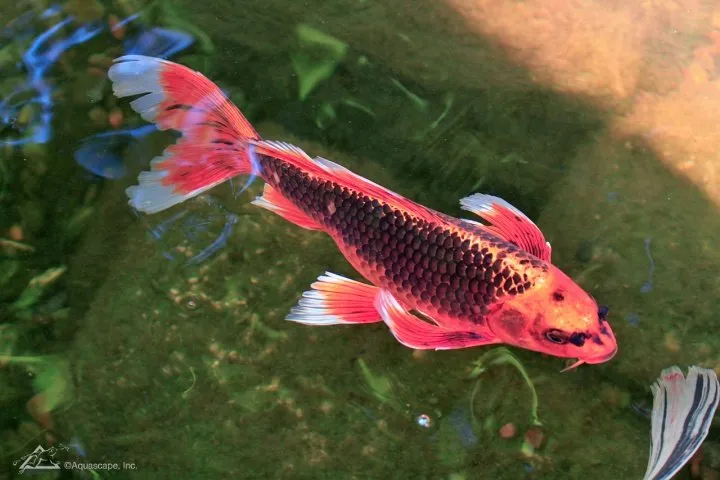
Early Spring Is a Transition Period
As water temperatures slowly climb through the 40s and into the 50s (°F), koi begin transitioning out of their winter state. During this time, you may notice a few common behaviors:
- Fish swimming slowly or hovering in place
- Koi spending more time near the bottom of the pond
- Short bursts of activity followed by long periods of rest
- Fish occasionally basking in shallow areas on sunny days
These are all normal signs that your fish are waking up and adjusting to the seasonal change.
When to Start Feeding Again
One of the most common questions pond owners ask in spring is when to start feeding their fish again. It’s best to wait until water temperatures reach about 50°F (10°C) consistently. At that point, koi metabolism has increased enough for them to begin digesting food properly.
When feeding begins, start slowly and use a cold-water fish food designed for lower temperatures. These foods are easier for koi to digest while their systems are still ramping up for the season.
Observe Your Fish Closely
Spring is also a great time to take a closer look at your koi after the long winter months. While slow swimming is normal, it’s still important to keep an eye out for signs of potential health issues, such as:
- Visible sores or redness on the body
- Torn fins or unusual markings
- Fish isolating themselves from the group
- Erratic swimming or gasping at the surface
Catching problems early gives your fish the best chance for a quick recovery.
Patience Is Key
Spring can feel like it arrives overnight for us, but for koi it’s a gradual process. As water temperatures continue to warm over the coming weeks, your fish will become more active, begin feeding regularly, and start cruising around the pond just like they did last summer.
For now, slow swimming is simply a sign that your koi are easing out of winter and getting ready for the vibrant pond season ahead. With a little patience—and a watchful eye—you’ll soon see your fish back to their energetic, colorful selves.