Chances are, if you have a pond, you have fish, and those fish may be the very reason you fell in love with the idea of a water garden in the first place. It’s important to know that koi pond stocking plays a critical role in the long-term health, clarity, and balance of a water garden.
While koi are often the main attraction, bringing movement, color, and personality to a pond, adding too many fish can quickly strain the ecosystem. Understanding proper koi pond stocking guidelines helps prevent water quality issues and ensures your fish have the space they need to grow and thrive.
Fish undoubtedly enhance the pond experience, but they also place a biological load on the ecosystem. Overstocking a pond is one of the most common causes of poor water quality, stressed fish, and long-term maintenance issues. Creating a healthy pond starts with understanding how many fish your water feature can realistically support, not just today, but years from now.
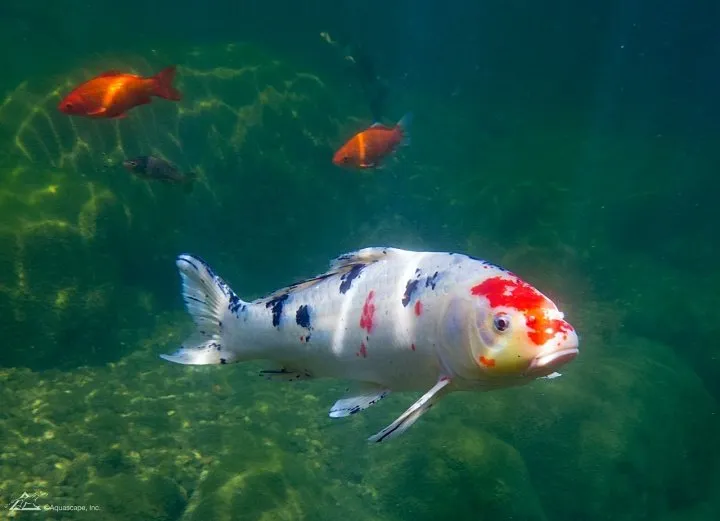
The General Rule of Thumb for Koi Pond Stocking
A commonly accepted guideline is 10 gallons of water for every inch of fish. At first glance, that may sound generous, but it’s important to remember that koi grow – often rapidly. A four-inch koi can easily reach 18–24 inches in just a few years under good conditions. That “small” fish you add today may one day require hundreds of gallons of water to thrive.
Because of this growth potential, many pond professionals recommend an even more conservative approach to koi pond stocking: one-half inch of fish per 10 gallons of water. This lower stocking density provides a safety margin that helps maintain stable water chemistry and reduces stress on both fish and filtration systems.
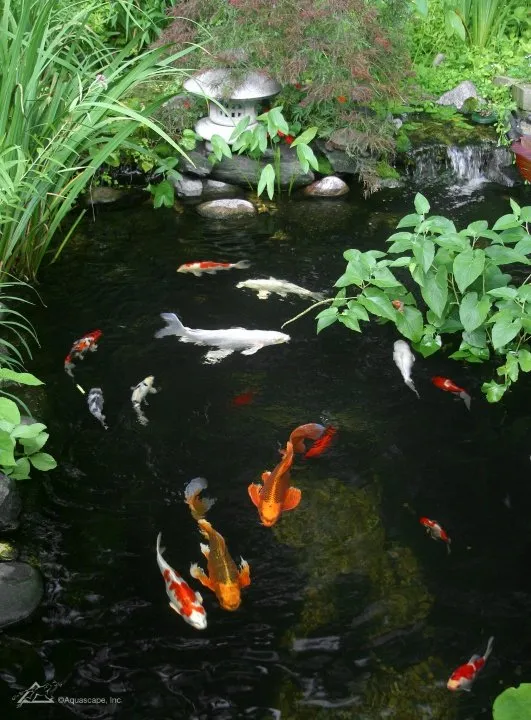
What Happens When a Pond Is Overstocked?
If you’re a fish enthusiast, you may find yourself pushing the limits, housing two or even three inches of fish per 10 gallons of water. In the short term, everything may appear fine. The fish are active, feeding well, and the pond looks healthy. However, this higher fish load creates a fragile ecosystem that can quickly tip out of balance.
Overstocked ponds often experience:
- Declining water quality, as excess fish waste overwhelms beneficial bacteria
- Lower dissolved oxygen levels, especially during hot summer months
- pH instability, which can stress fish and weaken their immune systems
- Slower fish growth due to competition for space and resources
- Increased disease and parasite outbreaks, which spread more easily in crowded conditions
Once fish become stressed or sick in an overcrowded pond, recovery can be difficult. Treatments are less effective, and water quality issues compound the problem.
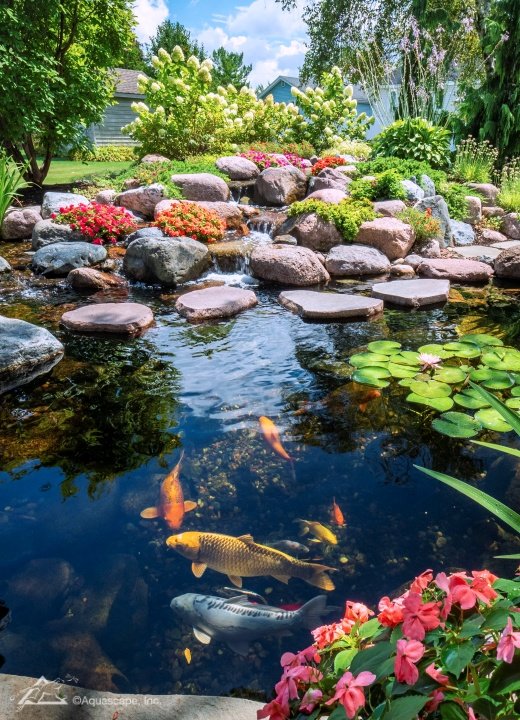
Nature’s Harsh Reality
Unfortunately, nature has a way of correcting imbalances. In an overcrowded pond, fish losses often occur as the system attempts to reach a sustainable stocking level on its own. This can mean losing your favorite koi, an outcome no pond owner wants to experience.
Planning for Long-Term Success
Before adding another koi to your pond, take a moment to evaluate the total water volume, expected adult fish size, and filtration capacity. A thoughtfully stocked pond is easier to maintain, more enjoyable to watch, and far healthier for its inhabitants.
When it comes to koi pond stocking, less truly is more. Giving your fish ample space ensures they grow properly, display vibrant color, and live long, healthy lives, creating a balanced water garden you can enjoy for years to come.